

The Sobrarbe: Pure Enjoyment
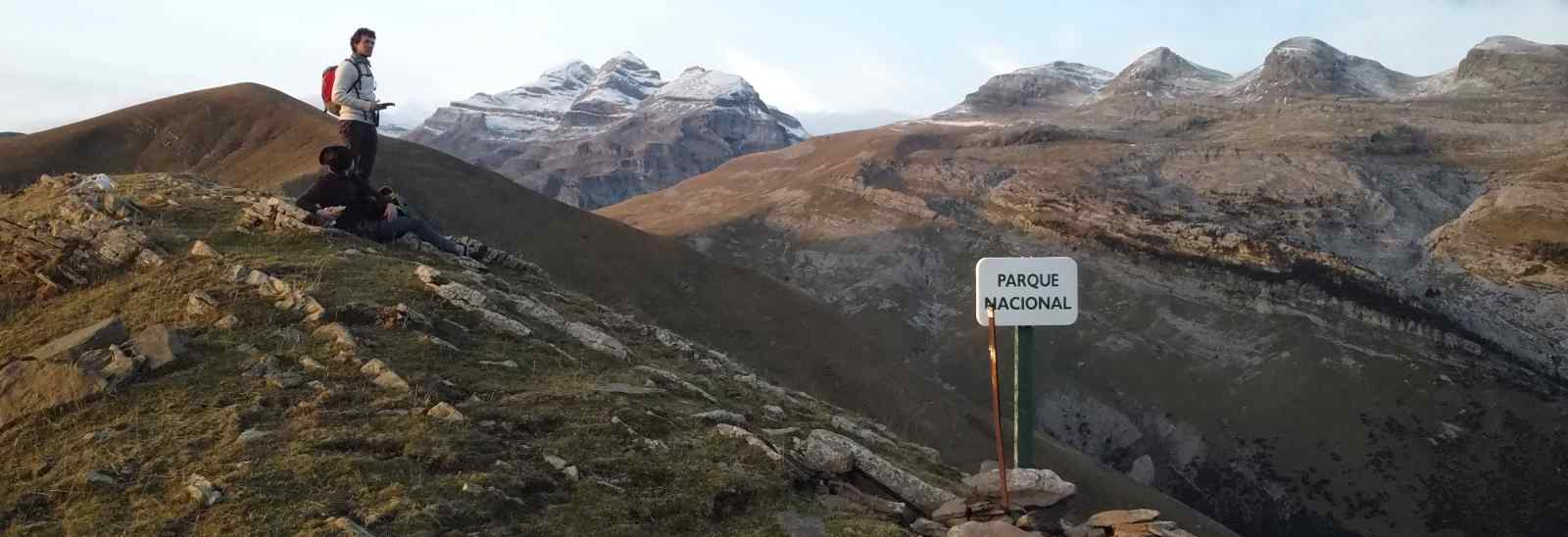
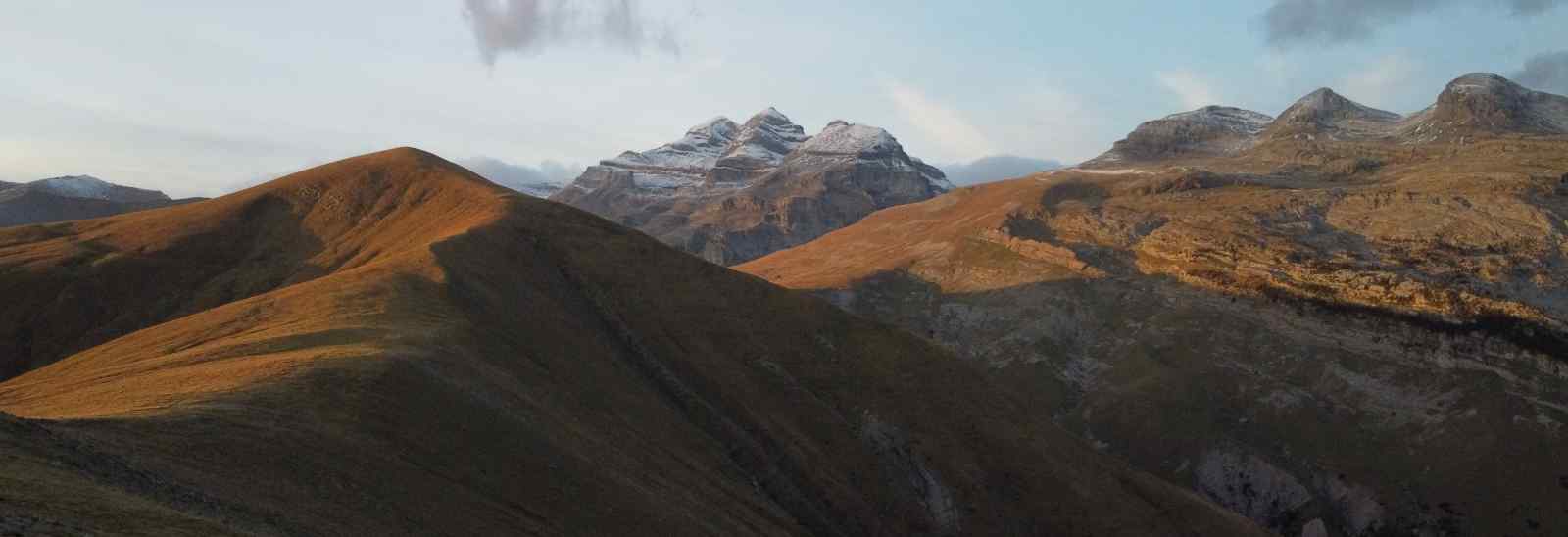
Discover one of the most unspoiled regions in the Spanish Pyrenees. The Sobrarbe is sparsely populated, which means untouched nature, wide-open views, and a peaceful atmosphere everywhere you go. Ordesa y Monte Perdido National Park, often called the most beautiful in Spain, offers dramatic valleys, waterfalls, and endless hiking trails. Nearby, the Sierra de Guara adds its own charm with deep canyons, striking rock formations, and viewpoints that stretch for miles. Across the region, quiet villages and old stone settlements tell the story of a rugged and resilient past.
During your stay, you’ll find a detailed guide in the home with the best local hikes, activities, and must-see spots throughout the Sobrarbe.
Walking and Cycling
Hiking is one of the most rewarding ways to discover the region. From leisurely walks that begin at the doorstep to routes winding through historic villages in the Pyrenees and the Sierra de Guara, hikers can choose from a wide network of PRs (short trails) and GRs (long-distance routes) that cross varied landscapes and viewpoints.
Cycling enthusiasts will also find endless opportunities, whether on the road or mountain trails. The region’s many unpaved routes create a true challenge for mountain bikers, while road cyclists can enjoy quiet stretches and far-reaching panoramas in every direction.
Water Adventures, Canyoning and Rock Climbing
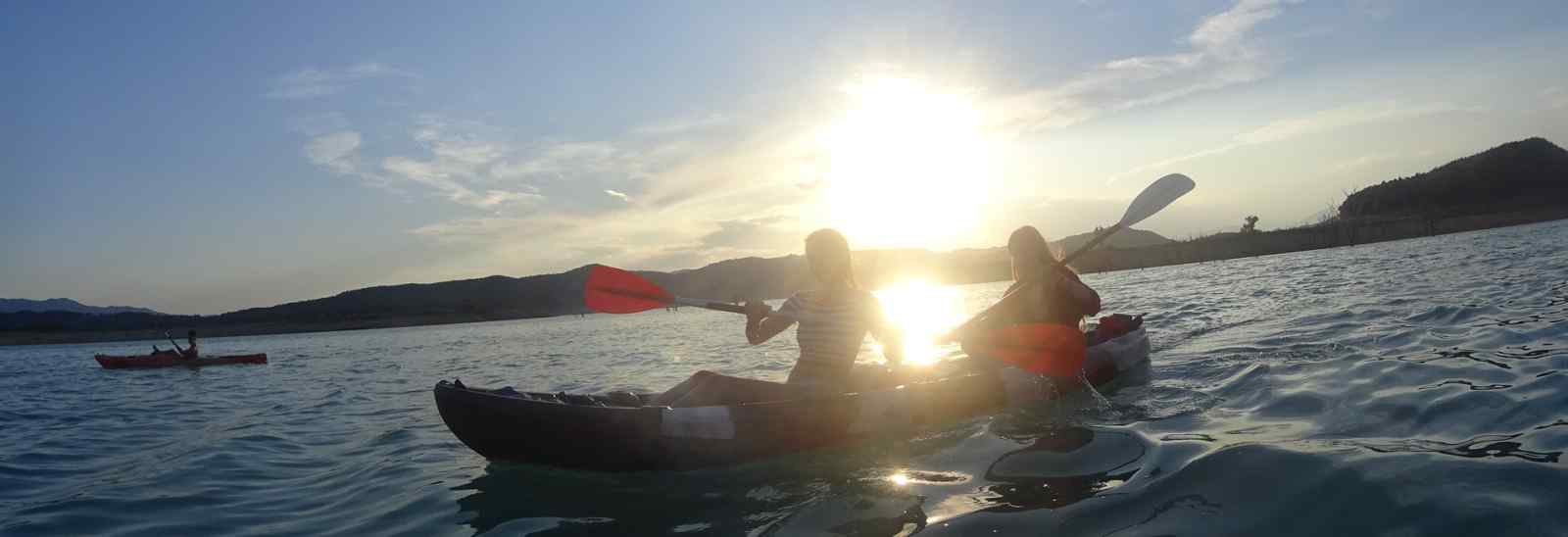
Crystal-clear natural pools offer refreshing places to swim throughout the region. A nearby reservoir provides easy access to the water, and between Aínsa and Barbastro you’ll also find lakes with inviting swimming areas. In Aínsa and the surrounding villages, several natural pools offer additional options for a summer swim or cold training in winter months.
The Sierra de Guara is considered a canyoning paradise, with river descents through extraordinary gorges for every level of experience. Even families with children can enjoy routes that create lasting memories. All necessary equipment can be rented in Aínsa.
The region is also known for its exceptional rock climbing. From limestone walls in the Sierra de Guara to the renowned routes of Rodellar and nearby crags around Aínsa and Vió, climbers of all abilities will find both challenging sectors and beginner-friendly faces. The mix of sport climbing, long routes and dramatic canyon landscapes makes this area a favorite among climbers.
Skiing, Snowshoeing and Mountaineering
The region has its own winter appeal and plenty of opportunities for day trips. The ski resorts of Cerler, Formigal and Candanchú in Spain, and Saint-Lary-Soulan and Piau-Engaly on the French side of the Pyrenees lie about an hour and a half away from our rental homes. Snowshoeing and cross-country skiing are also possible, with snow typically present above 1,200 meters in winter. The high peaks of the Pyrenees offer challenging mountaineering routes, such as Monte Perdido, the Viados-west face (Cotieilla, Espadas ridge and Posets), and the Bachimala Massif.
Birdwatching, Fishing and Stargazing
The Sobrarbe is a paradise for bird lovers, home to more than 150 recorded species and considered one of the best regions in the Pyrenees for observing birds of prey. Vultures, golden eagles, kites, bee-eaters and countless smaller mountain and woodland species also thrive in these valleys. Those drawn to birds and butterflies will find much to enjoy around the cottages, with migration periods offering especially memorable sightings.
Fishermen will also appreciate the region, with clear rivers and reservoirs that offer opportunities for trout and other freshwater fishing in a peaceful mountain setting.
With very low light pollution, the nights reveal an exceptionally clear sky, which is ideal for stargazing with our telescope and enjoying an unobstructed tapestry of stars.
Culture, History and Heritage
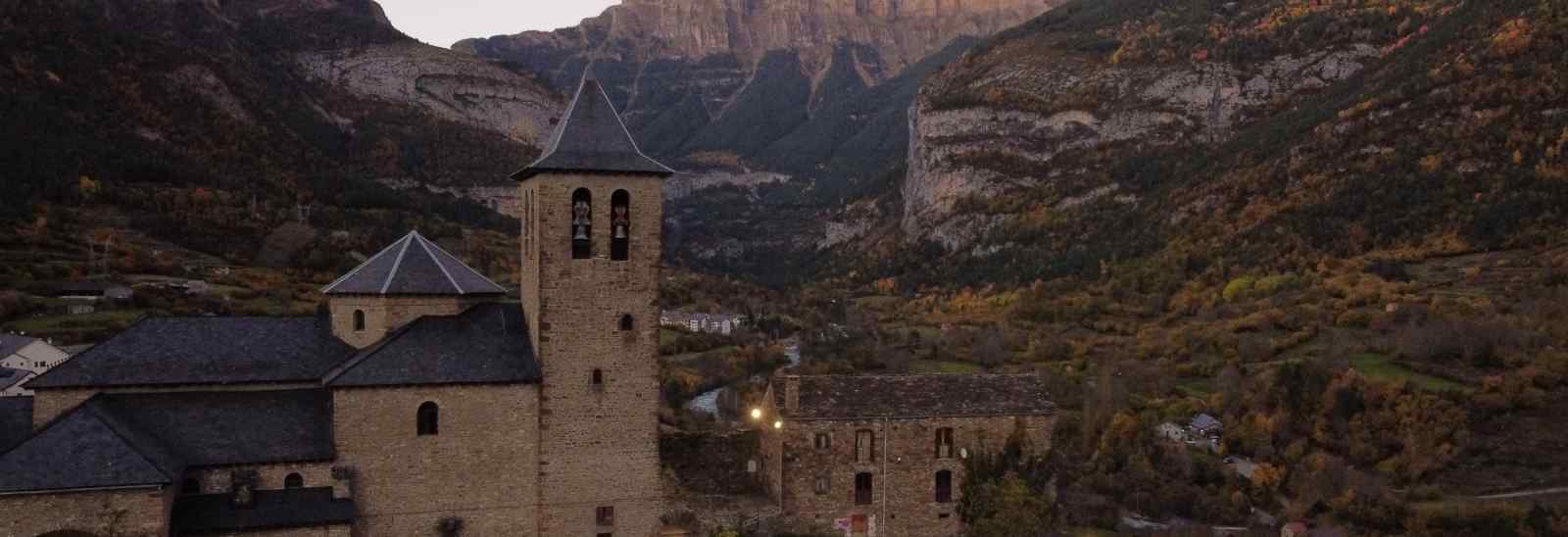
For those who enjoy peaceful cultural explorations, the region’s traditional villages are a delight to discover. The Sobrarbe also holds monasteries, castles and medieval defensive towers that reflect a long and storied past. It is also a land of geological and paleontological interest, attracting natural historians, fossil hunters and researchers who explore its ancient seabeds, strata and archaeological sites.
Santa María de Buil, which was historically an important local center overseeing several settlements since Celtic times, sits on a natural lookout between the Pyrenees and the Sierra de Guara. Its Romanesque church of San Martín and the later church of Santa María reflect centuries of strategic and spiritual importance. Today the village remains a quiet crossroads of history, nature and rural life, attracting walkers, cyclists, bird enthusiasts and travelers seeking authenticity, silence and starlit nights. Santa María de Buil offers a peaceful retreat, just far enough from Aínsa to enjoy silence and space, yet close enough to take part in its cultural life and seasonal events.
Aínsa, one of the most beautiful villages in Spain, is a medieval town where nature and culture meet, and only 20 minutes away. Its historic center, Plaza Mayor, Romanesque church, and 11th century castle form an exceptional ensemble declared a Historic and Artistic Site in 1965. From Aínsa, you can also reach the turquoise waters of Lake Mediano, ideal for swimming, canoeing and fishing.
Aínsa hosts a vibrant calendar of cultural events, including the Castillo de Aínsa International Music Festival in July and the legendary La Morisma, held every two years. Markets, craft fairs and mountain-culture gatherings continue throughout the seasons, keeping local traditions alive.
As a gateway to Ordesa and Monte Perdido National Park, Aínsa embraces its mountain character. Projects such as Zona Zero Pirineos have created renowned cycling routes, while local initiatives like PRO Sobrarbe promote regional products, sustainable agriculture and heritage conservation.
Further away, Alquézar in the Sierra de Guara and the Roda de Isábena valley in Ribagorza are well worth a visit, each around one to one and a half hours away. Closer to Santa María de Buil, the small towns of Boltaña (15 minutes) and Guaso (10 minutes) offer quiet charm and local character. For broader cultural excursions, Barbastro and Graus are about an hour’s drive, and larger cities such as Huesca and Zaragoza provide additional options for day trips and travel logistics.
Cuisine, Wine and Local Products
Aragon is known for its generous mountain cuisine, full-bodied wines and honest local products. From hearty traditional dishes to modern interpretations, visitors can enjoy authentic flavors after a day of exploring. Nearby Barbastro is home to the Somontano wine region, celebrated for elegant reds, fresh whites and excellent rosés that pair naturally with local gastronomy. The region is also home to acclaimed restaurants, including Michelin-star dining for those seeking a refined culinary experience.
Markets, wineries and small producers offer cheeses, honey, olive oil, sausages, jams and seasonal vegetables, many of them prepared using traditional methods and “0 km” sustainable practices. Wild mushrooms, a local delicacy in autumn, feature in many regional dishes, and vegetarians will find increasingly diverse and thoughtful options that celebrate fresh, local ingredients. Whether enjoyed in a rustic village kitchen or a modern restaurant, the cuisine of Sobrarbe reflects a deep connection to the land and its seasons.
Who This Region Is For
The Sobrarbe is a place for those who seek a slower rhythm and meaningful experiences in nature. Hikers and cyclists will find an extensive network of trails and routes, from gentle paths to demanding mountain stages. Nature lovers, bird enthusiasts, ecotourists and photographers are rewarded with wide horizons, starry skies and ever-changing light, all within a landscape that values preservation and sustainable stewardship.
Families appreciate the freedom of outdoor life, with safe villages, swimming spots and activities for all ages. Couples and slow-travelers find inspiration in quiet mornings, medieval streets and long views across the valleys. Remote workers/digital nomads and long-stay guests will also feel at home here, with peaceful surroundings that make it easy to focus, reflect and create. For those drawn to culture, history and tradition, the region offers Romanesque architecture, lively festivals and a strong local identity that is still very much alive today.
When To Visit
Every season in the Sobrarbe offers its own character and charm. Spring brings fresh greenery, wildflowers and ideal conditions for hiking, cycling and birdwatching. Summer is warm and sunny, perfect for swimming in natural pools, exploring canyons or enjoying lively evenings in nearby villages. Autumn is peaceful and golden, a favourite time for walkers, photographers and food lovers. In winter, the clear mountain light remains and the tourism slows down, making it the favourite time for many locals. The nearby ski resorts open, and the mountain peaks become a fun challenge for the experienced mountaineers.
The climate here is predominantly sunny throughout the year, with over 260 dry days on average. Even in the warmest months, evenings tend to cool down, making it easy to rest well after a day outdoors. Winter days can also be bright and pleasant, although nights are colder at elevation. All year long, the rhythm of the landscape invites you to slow down, explore and simply enjoy the beauty of this wild region.
The Spirit of Sobrarbe
The Sobrarbe is a land shaped by stone, silence and wide horizons. Villages cling to the hillsides, forests shift with the seasons, and ancient paths still link valleys and settlements as they have for centuries. Life follows a quieter rhythm here, one that leaves room to breathe, to notice small details and to feel connected to nature.
Whether you come for adventure, culture or rest, the mountains invite you to slow down, look around and stay present. This is a landscape that rewards curiosity and contemplation, and its beauty lingers long after you have returned home, making you plan your next trip back.